History of palmistry
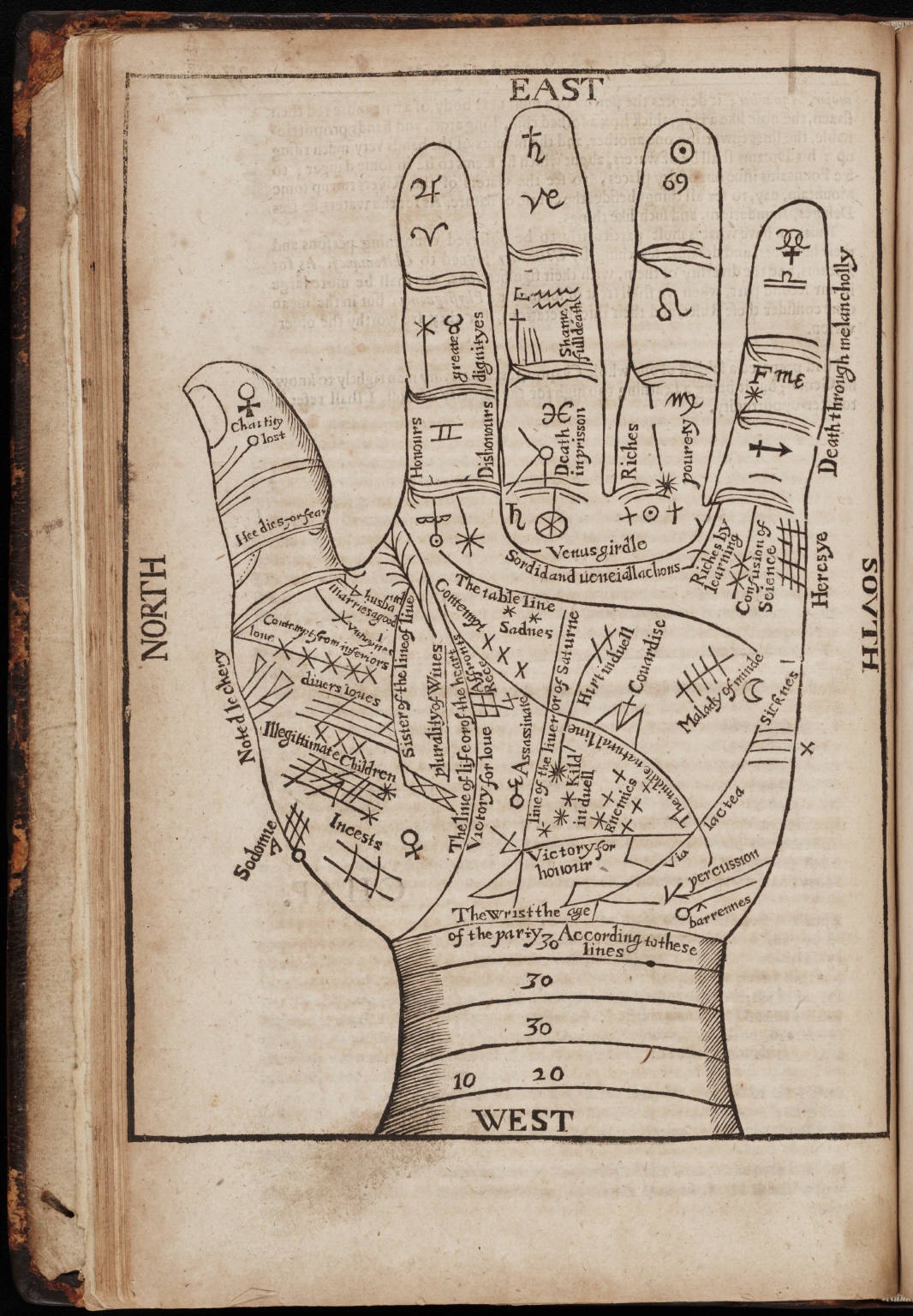
the dawn of time. Philosophers,
such as Aristotle, Pliny,
Anaxagoras, Hispanus, Cardamis
and Emperor Augustus all agreed to
this fascinating discipline of Palmistry.
Aristotle (384–322 B.C.E.) discovered
a treatise on the subject of palmistry, which he then presented to Alexander
the Great (356–323 B.C.E.), who took great interest in examining the
character of his officers by analyzing
the lines on their hands. Aristotle
stated that "Lines are not written into
the human hand without reason. They emanate from
heavenly influences and man's own individuality".
Accordingly, Aristotle, Hippocrates and Alexander the Great popularized the laws and practice of palmistry. Hippocrates sought to use palmistry to aid his clinical procedures.
From Greece, the knowledge of palmistry slowly spread to India, Tibet, China, Persia, Egypt and to some countries in Europe. Studies show that most ancient communities like
the Sumerians, Tibetans, Hebrews, Babylonians, Egyptians
and Persians were greatly interested in the study and
practice of palmistry.
The Bible itself speaks of the markings in one's hand in the
book of Job as: "God placed signs or seals in the hands of
men, that all men might know their works., and there is
always the timeless knowledge that God and nature make nothing in vain."
Palmistry as a science
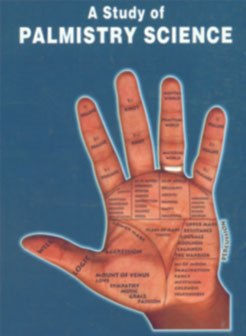
The human hand best reveals the story
of the human life in the past, present
and future. The hand cannot perform
a single action without the brain,
and there are more nerves from the brain to
the hand than to any other part of the body.
In the early 1990s a most intriguing piece of research was carried out by the Medical Research Council in the UK which has scientifically proven parts of the lines and the length of
the fingers to be directly linked with so meone's health and personality.
Another study from The Cambridge University scientists, led by Dr John Coates, himself a former Wall Street broker, compared the profits of the traders over a period of 20 months with their finger-length. The found that the ring finger length is linked to
City stockbrokers' success, say the scientists.
Today, palmistry is used to help give people direction in life
and to shed light on personal issues like relation-ships,
health, finances and family.
Palmistry in movies:
